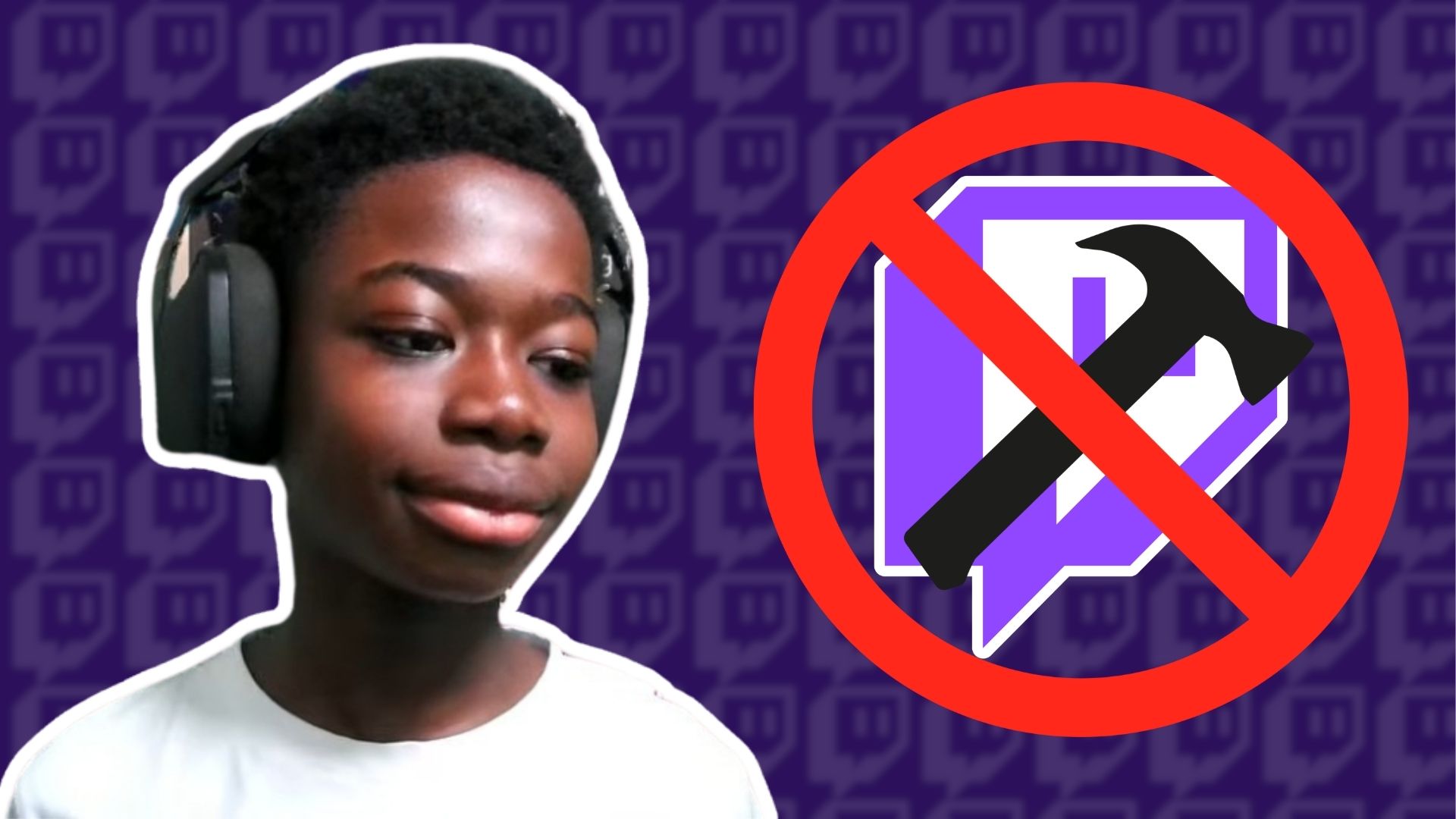
Over the weekend, a young Canadian creator named CDEE2NEAT experienced the kind of viral moment that every streamer dreams about.
In a clip that quickly made its way across social media, he celebrated earning his first two Twitch subscribers after beating a fan in a 1v1 Rocket League match. It was pure, unfiltered joy. These moments remind people why live streaming still feels magical.
Moments later, Twitch amplified that magic by gifting him 50 additional subs. The internet rallied behind him in real time. Then, his channel disappeared.
Within hours of going viral, CDEE2NEAT was banned from Twitch. This was reportedly due to age restrictions, as the Amazon-owned streaming service requires users to be at least 13 years old to stream under federal and platform guidelines.
What began as a feel-good underdog story became a debate about policy, platforms, and the realities facing the next generation of creators. Yet, the story is bigger than one ban.
A New Era of Young Black Streamers
The rise of creators like Kai Cenat over the last few years has fundamentally reshaped what young people, especially young Black men believe is possible. Streaming is no longer niche, but it is rather Gen Z’s version of hoop dreams. For many kids watching, this is a new blueprint and future career path that can support their dreams and families.
CDEE2NEAT’s viral moment was the byproduct of a generation raised on Twitch clips, YouTube Shorts, and TikTok highlights. Young creators have studied the format early. They understand engagement, energy, and audience connection.
At times, they seem to not understand the compliance rules and age-gating policies built into these platforms. That misunderstanding is where this story lives.
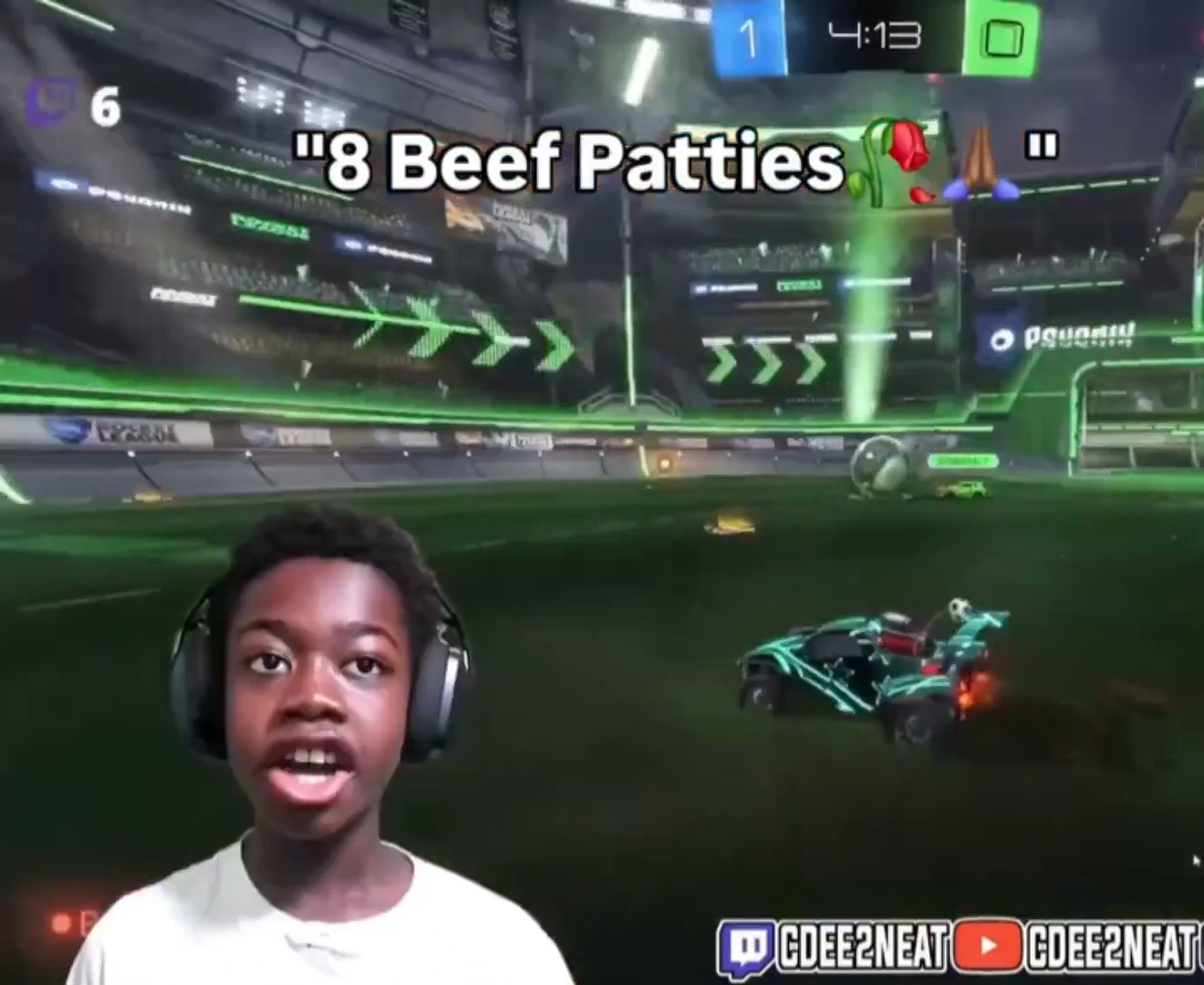
When Virality Meets Regulation
Twitch’s amplification of CDEE2NEAT’s moment with 50 gifted subs added a new layer of complexity. The platform celebrated the moment in real time only for enforcement to follow shortly after.
Age restrictions exist for legitimate legal and safety reasons. Platforms must protect minors and comply with federal guidelines. Culturally, the optics matter, however.
When a young Black creator goes viral, receives Twitch recognition, and ultimately their account gets banned within hours, it sparks conversation about policy, visibility, opportunity, and who gets nurtured versus who gets regulated. The internet responded exactly how you’d expect: with outrage, memes, support campaigns, and calls to bring CDEE2NEAT back.
The Legend of CDEE2NEAT
If anything, the ban may have accelerated his visibility.
In today’s creator economy, a moment like this multiplies. Community forms and narratives grow. When he is of age and able to stream officially, there will already be an audience waiting.
CDEE2NEAT’s story isn’t just about a ban. It’s about a new generation arriving early.
The next wave of creators isn’t waiting until college. They’re picking up controllers in elementary school. They’re building presence before they’re teenagers. They’re watching Kai Cenat and thinking, why not me?
The rise of young Black creators in 2026 is a brand new cultural movement happening before our eyes. Platforms, brands, and communities will need to figure out how to responsibly support that shift without stifling it.
The legend of CDEE2NEAT isn’t over. It’s just on pause!
.png)